
The 1999 Chevy C1500, powered by the venerable small-block V8, is a testament to durable, simple engineering. However, years of service and conservative factory tuning can leave its 5.0L (305) or 5.7L (350) Vortec engine feeling a bit lethargic by modern standards. Fortunately, unlocking noticeable gains in throttle response, horsepower, and torque doesn't require a complete engine swap. Through a meticulous baseline tune-up followed by strategic bolt-on modifications, you can rejuvenate your truck's performance, restoring its pep and transforming it into a more responsive and enjoyable driving machine. This guide outlines a logical progression of upgrades, from foundational maintenance to power-adding components.
The Critical Foundation: The Baseline Tune-Up
Before adding a single performance part, it is essential to ensure the engine is operating at its factory-specified best. A comprehensive tune-up is the highest return-on-investment "mod" you can perform. Start with the basics: replace the spark plugs with high-quality copper or iridium equivalents, install new plug wires, and replace the distributor cap and rotor (crucial for the Vortec's ignition system). Next, address airflow and fuel. Install a new air filter and clean the Mass Air Flow (MAF) sensor with appropriate cleaner. Replace the fuel filter, an often-overlooked item that can severely restrict flow. Finally, ensure all engine sensors, particularly the Oxygen (O2) sensors, are functioning correctly; aged O2 sensors can cause the engine to run rich, hurting both power and fuel economy. This entire process eliminates hidden bottlenecks, ensuring any subsequent upgrades are building upon a solid, efficient foundation.
Freeing the Breath: Intake and Exhaust Upgrades
The factory intake and exhaust systems are designed for cost-efficiency and noise suppression, not optimal airflow. Bolt-on upgrades here yield some of the most satisfying gains. Start at the front with a cold air intake (CAI) system. A quality CAI replaces the restrictive stock airbox with a high-flow filter and smoother tubing, often relocating the intake point to draw in cooler, denser air from outside the engine bay. Cooler air means more power, and the result is an immediate improvement in throttle response and a rewarding induction sound under acceleration. At the other end, upgrading the exhaust is equally important. Swapping out the restrictive factory manifolds for a set of shorty or long-tube headers is the single most effective exhaust bolt-on, significantly reducing backpressure and scavenging exhaust gases more efficiently. Pair this with a high-flow catalytic converter (if emissions-legal in your area) and a less restrictive cat-back exhaust system with a performance muffler. Together, these intake and exhaust mods allow the engine to breathe deeply, unlocking hidden horsepower and delivering that classic V8 soundtrack.
Supporting the Night Shift: The Overlooked Role of the Headlighting System
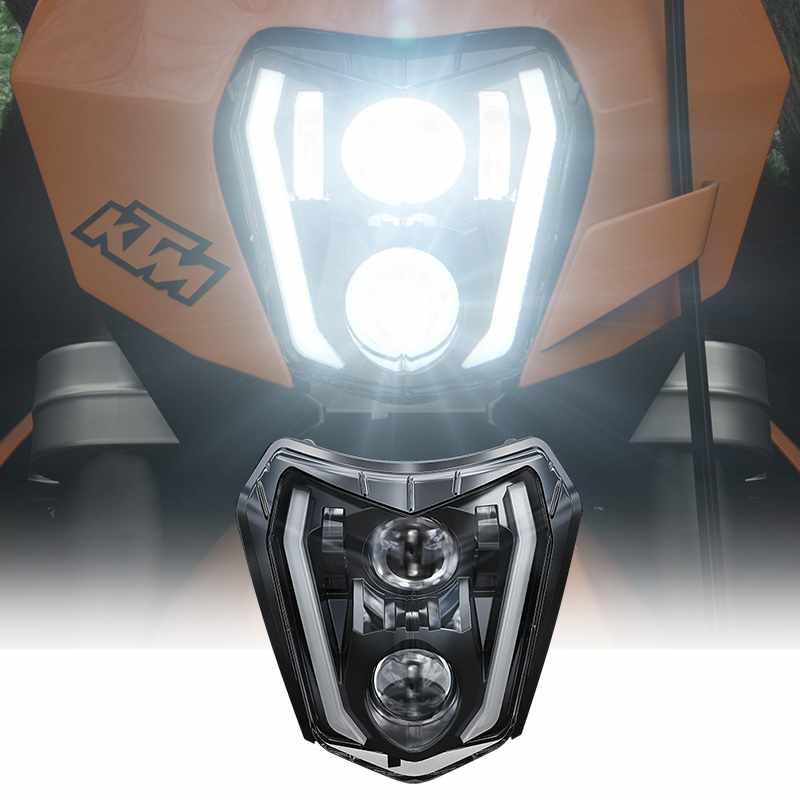
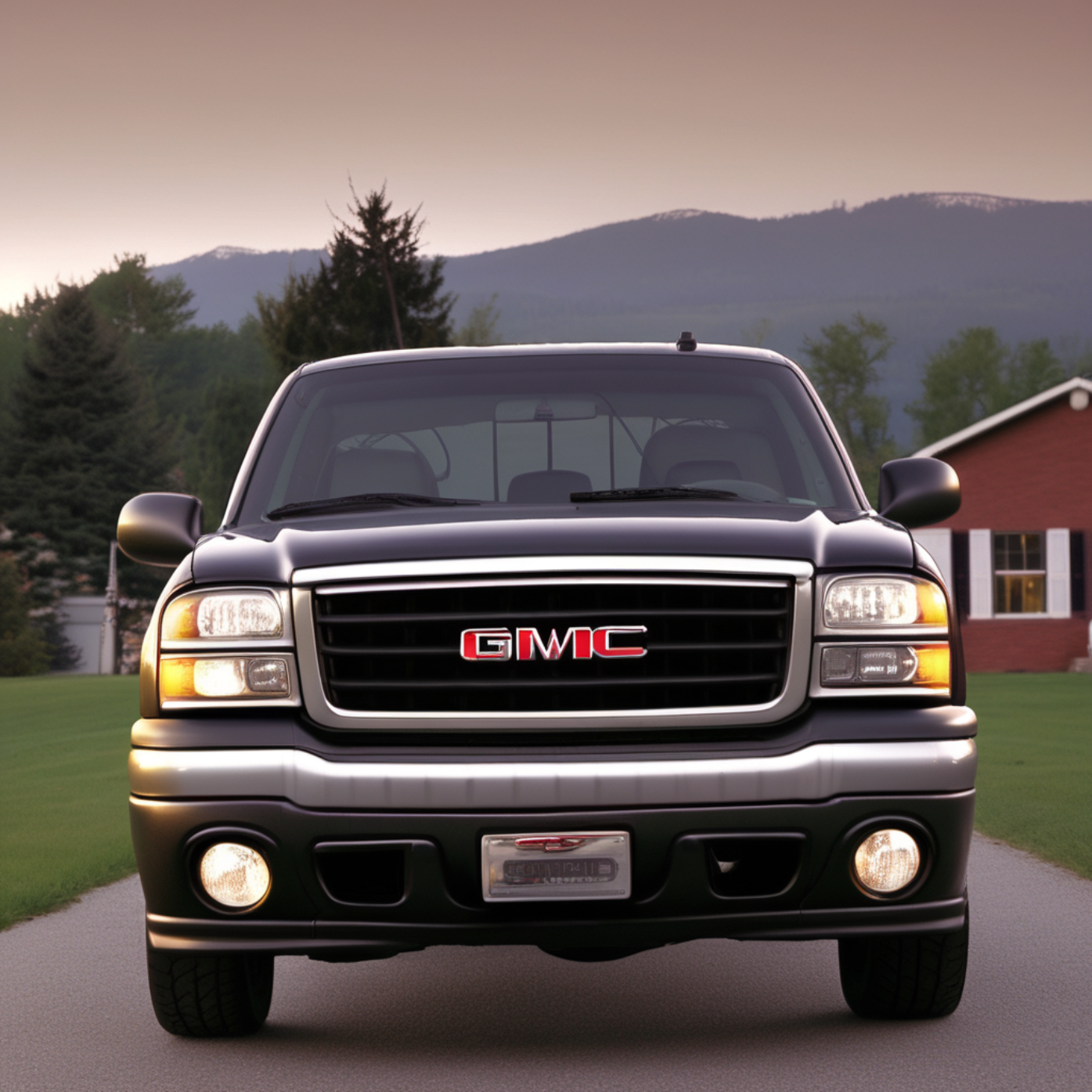
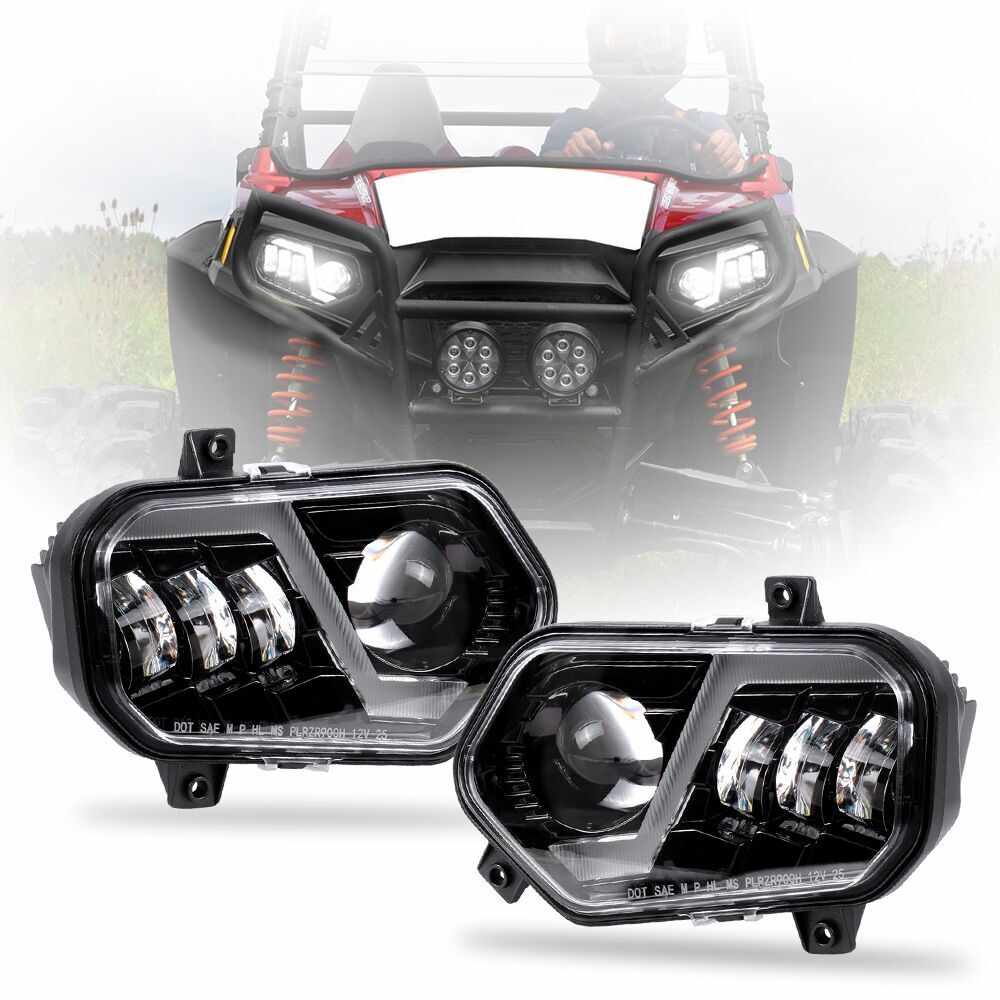
While not a traditional performance bolt-on, the headlighting system is a critical supporting upgrade for any truck that sees night-time or early-morning use—common for work trucks and weekend adventurers. The factory 1999 Chevy C1500 headlights, particularly with aged lenses and halogens, provide inadequate illumination by modern standards. Struggling to see the road ahead compromises reaction times and driver confidence, indirectly affecting the vehicle's safe performance envelope. Upgrading to a modern, high-output halogen bulb housed in a new, clear-lens housing is a good start. For a transformative improvement, a headlight relay wiring harness is a must. This kit bypasses the truck's aging, thin factory wiring, delivering full battery voltage directly to the bulbs via new heavy-gauge wires and relays. The result is headlights that are up to 30% brighter, illuminating corners and road signs with clarity that matches your truck's newfound engine response, ensuring safety keeps pace with performance.
The Final Step: Programming and Fine-Tuning
Once your bolt-ons are installed, the factory Engine Control Module (ECM) is still operating on its original, conservative programming. To truly capitalize on your new intake and exhaust flow, a custom tune is the final, crucial step. Find more aftermarket parts on car B2B website. Using a handheld tuner or visiting a specialist for a live dyno tune allows you to recalibrate parameters like air/fuel ratio, spark timing, and transmission shift points (for automatics). This optimization squeezes out every last bit of power from your modifications, smoothing out the powerband, and often improving fuel economy during light throttle cruising. The difference in drivability and power is frequently the most dramatic of all the upgrades.
By methodically following this path—from rock-solid tune-up, to freeing up airflow, to supporting safety upgrades, and finishing with electronic optimization—you transform the character of your 1999 C1500. The truck retains its legendary reliability but gains a level of responsiveness and power that makes every drive more engaging, proving that even a trusty old workhorse can learn to run with a little more spirit.


Write a comment ...